Avoid fines: Westminster Council fly-tipping rules
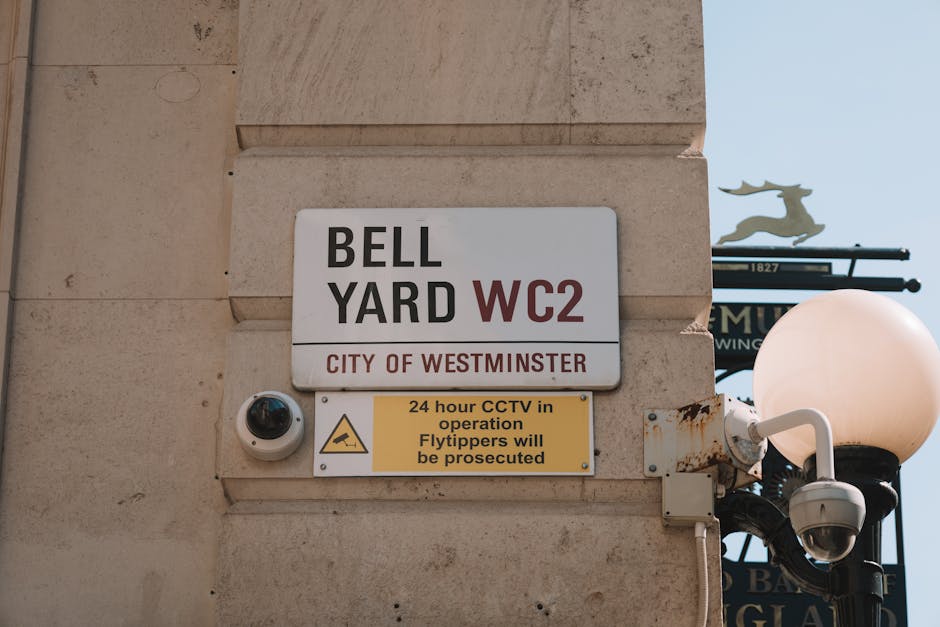
If you are dealing with bulky rubbish, a cleared-out flat, an office move, or leftover renovation waste, the safest way to avoid fines: Westminster Council fly-tipping rules is to understand what counts as illegal dumping, who is responsible, and how to prove your waste was handled properly. It sounds simple enough, yet this is exactly where people trip up. One missed detail, one careless handover, and suddenly a bin bag on a pavement can become your problem.
Westminster is busy, dense, and unforgiving when waste is left out incorrectly. In practice, the council expects residents, landlords, businesses, and contractors to take reasonable steps to prevent fly-tipping and illegal disposal. This guide breaks it down in plain English, with a focus on what matters day to day: what the rules mean, how to stay on the right side of them, and how to organise rubbish removal without creating avoidable risk. Let's face it, nobody wants a fine over something that should have been routine.
Use this page as a practical reference. It covers compliance, common mistakes, a simple step-by-step approach, and a few real-world examples so you can make sensible decisions quickly.
Why Westminster Council fly-tipping rules matter
Fly-tipping is not just "a bit of rubbish left somewhere." In council terms, it can include anything dumped without proper authority, from a sofa left beside a street bin to builder's waste abandoned after a job. Westminster takes this seriously because streets, mews, estates, and shared access routes can become blocked or unsightly very quickly. And once waste is out there, the knock-on effects arrive fast: pests, blocked pavements, complaints from neighbours, and a trail of hassle for everyone nearby.
The biggest reason the rules matter is liability. If waste can be traced back to you, your household, your business, or your contractor, you may still be responsible even if someone else physically dumped it. That is the part many people miss. "I paid someone to take it away" is not always enough. You need to show that you took reasonable care and used a proper waste carrier or council-approved collection route where applicable.
There is also the simple practical point: enforcement gets expensive quickly. A short-term saving on cheap rubbish removal can turn into a much bigger cost if the waste is fly-tipped and linked back to you. So yes, this is about compliance, but it is also about basic risk management. A tidy, documented disposal process is boring. It is also much cheaper than arguing over a penalty notice on a damp Wednesday morning.
Expert summary: The safest approach is always to treat waste as traceable until it is properly collected, transferred, and disposed of. If you cannot explain where it went, you are already on shaky ground.
How Westminster Council fly-tipping rules work in practice
At a practical level, Westminster Council expects waste to be stored, presented, and removed properly. That means using the correct collection channel for the type of waste you have, ensuring items are not left in a way that creates an obstruction or an eyesore, and choosing a disposal route that is lawful and documented.
The process usually falls into one of these situations:
- Household waste: regular black bag waste, recycling, or bulky items that need a proper collection.
- Large or awkward items: mattresses, sofas, white goods, wardrobes, and other items too big for standard bins.
- Commercial waste: office waste, shop waste, and trade rubbish from businesses that need planned removal.
- Builders' or renovation waste: rubble, timber, plasterboard, packaging, and mixed construction debris.
- Clearance waste: accumulated contents from a house, flat, loft, garage, or probate property.
In each case, the council's concern is similar: waste should not be abandoned on pavements, in communal areas, in lay-bys, or beside overflowing bins. If an item is left out, it should be there only in line with the correct collection arrangements. Otherwise, it risks being classed as fly-tipping or an obstruction.
For many people, the cleanest solution is to arrange a proper collection service rather than trying to piece together a disposal plan themselves. If you are clearing a room full of furniture, for example, using a dedicated service such as furniture removal and collection can reduce the chance of items being left incorrectly outside or moved by the wrong party. Likewise, larger jobs often need a broader service like waste removal or rubbish clearance so the whole process stays neat and traceable.
The important thing is not just getting rid of the items. It is getting rid of them in a way that you can stand over later if asked. That is where paperwork, receipts, and clear communication matter.
Key benefits and practical advantages
A lot of people think compliance is only about avoiding trouble. Fair enough, that is the main point. But there are also practical benefits to handling waste properly in Westminster.
Less risk of fines and complaints
When rubbish is placed where it should be, and collected through the right route, you reduce the chance of enforcement action, neighbour complaints, or awkward follow-up calls. It is a simple way to avoid a messy chain reaction.
Cleaner properties and faster turnaround
If you are preparing a flat for new tenants, managing an office move, or clearing a property after a sale, proper removal keeps the job moving. No piles in hallways, no blocked entrances, no "we'll sort it tomorrow" moment that drags on for days.
Better control over costs
Lawful collections are usually easier to budget for than dealing with a penalty after the fact. You can compare services, decide what needs removing, and choose the right scale of collection. That feels more predictable, and in property work predictability matters.
Stronger evidence if something goes wrong
Receipts, booking confirmations, and carrier details are your safety net. If waste ever gets questioned, you want to be able to show the steps you took. It is a small admin habit that pays off later.
Better relations with neighbours and managing agents
In Westminster, space is tight and shared areas are often sensitive. A tidy waste plan reduces friction. No one wants the building entrance smelling faintly of old carpet and wet cardboard for two days. Truth be told, people remember that sort of thing.
Who this is for and when it makes sense
This topic is relevant to more people than you might think. The obvious group is residents, but the real list is broader.
- Homeowners and tenants who are clearing out unwanted items or replacing furniture.
- Landlords and letting agents handling end-of-tenancy clearances.
- Businesses getting rid of office furniture, archive waste, packaging, or stock.
- Contractors and tradespeople producing rubble, offcuts, and site waste.
- Executors and families managing probate clearances or inherited property contents.
- Managing agents coordinating shared bin stores, bulky items, or estate clearances.
It makes sense to pay close attention whenever waste is not straightforward. One bin bag is one thing. A room full of broken furniture, a garage packed with mixed junk, or a pile of bags after a refurbishment? That is where people start taking shortcuts, and where fly-tipping risk rises. If the job is larger than what your normal collection route can handle, consider a service that is built for it, such as bulk waste collection or bulky waste collection.
There is also a difference between convenience and compliance. Someone may offer to "take it away cheap" from a driveway or side street. Sounds handy, doesn't it? But if they are not operating properly, that cheap shortcut can become your headache later. Be careful with that one.
Step-by-step guidance
Here is a sensible process you can use to stay on the right side of Westminster Council fly-tipping rules and avoid the kind of mistake that turns up in enforcement correspondence.
- Identify exactly what you need to remove. Separate general rubbish, recyclables, bulky items, and hazardous or specialist waste. A mattress is not the same as plasterboard, and a fridge is not the same as a cardboard box.
- Check whether the items can go through a normal council collection. Some waste can be collected through standard routes, while larger or unusual items may need a dedicated service. If you are unsure, look at the council's guidance before leaving anything out.
- Do not place waste on the street too early. Timing matters. A bag left out "just for a minute" can be moved, torn open, or mistaken for dumping. Use the right presentation time and location.
- Choose a lawful disposal route. Use a proper council collection where applicable, or book a reputable waste service that can handle the volume and type of waste.
- Ask for proof. Keep the booking record, invoice, or transfer note where relevant. If a carrier says they will recycle or dispose of your waste, ask how that is documented.
- Make sure the collection point is accessible. Narrow access, locked gates, basement stairs, and shared hallways can all affect where waste is left. Plan that in advance.
- Check the area after collection. A quick walk-through can catch stray packaging, loose screws, or a forgotten bag in the corner. Small things become complaints surprisingly fast.
For larger property jobs, it often helps to match the service to the waste type. A house clearance is useful for domestic contents, while office clearance fits desks, chairs, and commercial items. For mixed household clutter, property clearance can be a practical fit. And if the waste includes old furniture, a service like furniture clearance may be the tidy route.
Expert tips for better results
To be fair, most fly-tipping problems do not start with dramatic bad intent. They start with poor planning. Here are a few practical habits that help more than people expect.
Keep the waste stream simple
The more mixed your waste is, the harder it becomes to dispose of properly. If possible, keep cardboard, metal, wood, white goods, and general rubbish separate. It makes collection easier and reduces the chance of a missed item.
Choose one responsible person
If several people are involved in a move or clearance, appoint one person to manage the collection details. That avoids the classic "I thought you booked it" problem. We have all seen that sort of confusion. It is never pretty.
Photograph the waste before collection
A quick photo of what was collected, taken on your phone, can be useful later if there is any dispute about what was there or where it went. It is not glamorous, but it is handy.
Use proper carriers for business or trade waste
Businesses should be especially careful. Commercial waste often needs more structured handling than household rubbish, and a poor choice of carrier can lead to much bigger exposure if waste is traced back. If you run a small office or shop, commercial waste collection or business waste removal may be more suitable than ad hoc disposal.
Think about the end point, not just the pickup
It is easy to focus only on who takes the waste away. But the real question is where it ends up. A proper disposal route should give you confidence that the waste is handled legally and, where possible, recycled responsibly. If sustainability matters to you or your business, a service aligned with recycling and sustainability can be a better long-term fit.
Common mistakes to avoid
This is where people usually get caught out. The mistakes are often mundane, which is annoying because mundane mistakes are the easiest to prevent.
- Leaving waste beside bins without permission. Even if it looks harmless, it can be treated as dumping or obstruction.
- Assuming a cheap collector is legitimate. If they cannot explain where the waste goes, walk away.
- Not checking whether an item needs special handling. Fridges, mattresses, and some electrical items can require different arrangements.
- Mixing commercial waste with household waste. This can complicate collection and traceability.
- Ignoring proof of disposal. Keep receipts, booking details, and any written confirmation.
- Overfilling a skip or leaving waste spilling out. That can create an immediate hazard and attract attention.
- Putting items out too early. In busy parts of Westminster, waste may be moved, opened, or scattered before collection.
Another common issue is relying on a neighbour's arrangement without confirming the details. If someone says, "Just put it with mine," ask who is responsible if the collection does not happen. Small conversation, big consequences.
Tools, resources and recommendations
You do not need a complicated system to manage waste properly. A few simple tools and habits go a long way.
- A phone camera: take photos before and after collection.
- A notes app or checklist: record what you are removing, when it is booked, and who is responsible.
- Receipts and booking confirmations: keep them together in one place.
- Basic sorting bags or boxes: useful for separating recyclable items from general rubbish.
- Clear access routes: especially important in flats, mews houses, and office buildings.
For domestic jobs, services such as rubbish collection, waste collection, and council large item collection can be useful starting points, depending on what you are disposing of. If the job involves old beds, bed disposal and mattress disposal are worth considering so those awkward items are handled cleanly. For white goods, white goods recycle is often the safer route than leaving appliances in communal areas.
If your waste is especially heavy or awkward, a more targeted option like builders waste clearance or garage clearance may be more efficient than trying to manage it in bits and pieces.
Law, compliance, standards, or best practice
Without getting too legalistic, the key compliance principle is straightforward: do not abandon waste, do not allow waste to be dumped on your behalf without proper checks, and do not assume someone else has handled disposal correctly unless you can verify it.
In UK practice, duty of care is the phrase people often use when talking about waste responsibility. In plain English, it means you should take reasonable steps to ensure waste is transferred only to someone authorised and that it is handled appropriately afterwards. That applies to households in practical terms, but it matters especially for businesses and trades. If you are in charge of a commercial premises, you should be even more careful about record-keeping and carrier checks.
Best practice usually includes:
- using a legitimate collection route or properly licensed carrier where required;
- keeping evidence of the transfer or collection;
- separating waste types where practical;
- not placing rubbish in public areas without permission;
- ensuring bulky items are not left to become obstructions;
- training staff or household members on what happens next.
If you are managing a business premises, office block, or shared property, you may also want a more structured service such as commercial waste disposal or council waste collection where that fits the waste stream and local arrangements.
It is worth saying plainly: if there is any uncertainty, slow down and check. Waste issues are one of those areas where a little caution saves a lot of stress later.
Options, methods, or comparison table
Choosing the right waste route depends on what you have, how quickly it needs to go, and how much proof you want afterwards. Here is a simple comparison to help you weigh up the options.
| Method | Best for | Strengths | Watch-outs |
|---|---|---|---|
| Standard council-style collection | Routine household waste and some large items | Simple, familiar, often cost-conscious | May have limits on item type, timing, or volume |
| Dedicated bulky waste service | Sofas, beds, wardrobes, appliances | Good for awkward items, less hassle at the kerb | Availability and item restrictions can vary |
| General rubbish clearance | Mixed domestic clutter or end-of-tenancy waste | Flexible and convenient | Make sure everything is declared clearly |
| Commercial waste collection | Offices, shops, and trade premises | Better for recurring or larger waste streams | Needs clear records and proper segregation |
| Builders' waste clearance | Refurbishment and construction debris | Designed for heavy or messy loads | Specialist materials may need separate handling |
If you are deciding between services, the key question is not "which is cheapest?" but "which is least likely to create a problem later?" Sometimes the answer is a more structured service, especially if you are in a shared building or dealing with a time-sensitive clearance. A flat, for instance, might benefit from flat clearance rather than trying to arrange multiple separate removals.
Case study or real-world example
Imagine a small West London property manager handling the end of a tenancy in a Westminster flat. The tenant has left behind a mattress, a broken chair, two bags of mixed waste, and an old microwave. The first instinct might be to put everything beside the communal bins and hope for the best. That is the kind of shortcut that creates trouble.
Instead, the manager sorts the items into categories, books a proper collection, and keeps a record of what was removed. The mattress and chair are handled as bulky items, the microwave goes with the appropriate appliance stream, and the mixed waste is removed through a general clearance route. There is no pile left in the corridor overnight, no complaint from the neighbour upstairs, and no question later about who dumped what.
That is not exciting. It is just sensible. But in Westminster, sensible is usually what saves the day.
For a bigger property clean-out, this same approach scales well. A family clearing a probate property might use probate house clearance or probate clearance to keep everything organised and documented from the start. The point is to avoid informal dumping, avoid confusion, and leave no loose ends.
Practical checklist
Use this checklist before any waste is moved out of your property or business premises:
- Have I identified exactly what needs to go?
- Do any items need specialist handling, such as fridges, mattresses, or builders' waste?
- Have I chosen a lawful collection route?
- Do I have a booking confirmation, receipt, or record of the collector?
- Have I checked who is responsible if something goes wrong?
- Will the waste be left in a public or shared area before collection?
- Have I separated bulky items from general rubbish where possible?
- Is the access route clear for collection staff?
- Have I taken a quick photo of the items before pickup?
- Do I know where to look for proof after the collection is completed?
If you can answer yes to the main points, you are in a much better position. Not perfect, maybe, but solid. And solid is what you want here.
Conclusion
To avoid fines and unnecessary hassle, the key to Westminster Council fly-tipping rules is simple: plan the waste journey properly, use the right collection route, and keep proof of what happened. That is the heart of it. Whether you are clearing a flat, managing a business, or dealing with a one-off bulky item, the same principle applies: do not leave waste in a way that creates a problem for the street, the building, or yourself.
The safest approach is almost always the least dramatic one. Sort it, book it, document it, and make sure it goes where it should. A bit of care now beats a long argument later, every time.
If you want help planning a clearance or comparing the right waste removal option for your situation, take the next step and get a tailored quote.
Get a free quote today and see how much you can save.
Frequently Asked Questions
What counts as fly-tipping in Westminster?
Fly-tipping generally means leaving waste somewhere without permission or lawful authority. That can include bags, furniture, appliances, builders' waste, or any rubbish dumped in communal, public, or inappropriate areas.
Can I leave bulky waste beside the bins if I have booked a collection?
Only if the collection method and timing allow it. If you are unsure, check the collection rules first. Leaving items out too early or in the wrong place can still create problems even if a pickup is expected.
Am I responsible if someone else dumps my waste?
Potentially yes, if the waste can be linked back to you and you did not take reasonable care. That is why using a proper carrier, keeping records, and checking the collection arrangement matters so much.
What proof should I keep after a waste collection?
Keep the booking confirmation, receipt, invoice, or any transfer record you receive. A quick photo of the items before collection can also help if there is ever a dispute.
Do businesses have stricter responsibilities than households?
In practice, yes. Businesses should be more disciplined about records, carrier checks, and waste segregation. Commercial waste can bring a higher level of responsibility because it is often produced regularly and in greater volume.
Is it safer to use a council collection or a private clearance service?
It depends on the waste type, volume, and speed you need. Council services can suit some standard items, while a private clearance service may be better for larger, mixed, or time-sensitive jobs. The best option is the one that handles your waste properly and gives you proof.
Can I dispose of a fridge or freezer with normal rubbish?
Usually not. Fridges and freezers are often handled separately because of their materials and components. A dedicated white goods route is normally the better option.
What should I do if I find fly-tipped waste near my property?
Do not move it unless it is safe and you are responsible for doing so. Report it through the appropriate local route and avoid touching anything potentially hazardous. If you are managing a building, document the issue with photos.
How can I reduce the risk of a fine during a house clearance?
Book the right clearance service, avoid leaving items in public areas, keep records of the collection, and separate bulky or specialist items. A proper plan is far safer than trying to improvise on the day.
What is the best option for a full property empty-out?
For a larger empty-out, a full property or house clearance is usually more practical than handling items individually. It keeps the work organised and reduces the chance of rubbish being left behind in stages.
Are mattresses and sofas treated differently from general waste?
Often yes. They are bulky items and can require a specific collection route. Services such as mattress disposal or sofa removal are designed for exactly that kind of awkward waste.
What is the simplest way to stay compliant if I am not sure what rule applies?
Pause and check before anything is left out. If in doubt, use a collection service that can explain how the waste will be handled and give you a clear record afterwards. That small pause can save a lot of trouble.
If you keep the process tidy, documented, and sensible, you are already doing better than most rushed clearances. And honestly, that is usually enough to keep the headaches away.