Recycling and Rubbish in Probate House Clearance
Introduction to Probate House Clearance

Probate house clearance involves the process of managing and disposing of the belongings of a deceased person. This task can be emotionally challenging and requires careful handling to respect the sentiments of all involved. One of the critical aspects of probate house clearance is the management of rubbish and the incorporation of recycling practices to minimize environmental impact.
Recycling during probate house clearance not only helps in reducing waste but also contributes to sustainable living by reusing and repurposing items that would otherwise end up in landfills. Understanding the best practices for recycling and rubbish management can make the clearance process more efficient and eco-friendly.
In this article, we will delve into the importance of recycling in probate house clearance, the types of rubbish typically encountered, and strategies for effective waste management. Whether you are a professional clearance service or an individual handling the clearance, this guide will provide valuable insights to navigate the process successfully.
The Importance of Recycling in Probate House Clearance
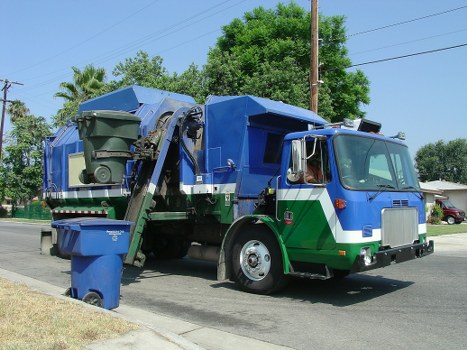
Recycling plays a vital role in probate house clearance by ensuring that materials are reused or repurposed, thereby reducing the environmental footprint of the clearance process. By prioritizing recycling, clearance services can contribute to conservation efforts, reduce greenhouse gas emissions, and promote a circular economy.
Moreover, recycling can also be economically beneficial. Salvaging valuable items can offset the costs associated with clearance, while reselling or donating reusable goods can provide financial and social benefits to the community. It fosters a sense of responsibility and sustainability that aligns with modern ecological standards.
Incorporating recycling into probate house clearance requires a systematic approach to sorting and managing different types of materials. It involves collaboration with recycling centers, donation agencies, and waste management services to ensure that recyclable items are handled appropriately.
Types of Rubbish in Probate House Clearance
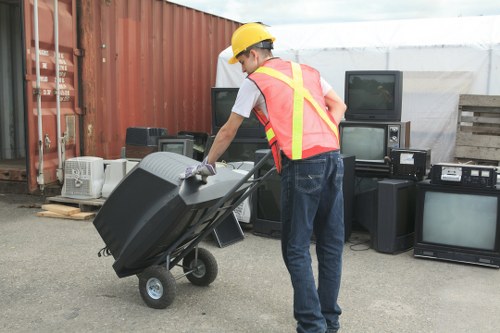
Probate house clearance involves handling a diverse range of items, each posing unique challenges in terms of recycling and disposal. Understanding the types of rubbish typically encountered can help in developing effective management strategies.
1. Household Items and Furniture
Large items like furniture, appliances, and electronics are common in probate house clearances. Many of these items can be refurbished, resold, or donated, reducing the need for disposal. Items in good condition can find new lives through second-hand markets or charitable organizations.
2. Hazardous Materials
Certain items, such as paints, chemicals, and electrical components, require special handling due to their hazardous nature. Proper disposal is essential to prevent environmental contamination and ensure compliance with local regulations.
3. Personal Belongings and Memorabilia
Items like photographs, letters, and keepsakes hold sentimental value. Careful sorting is necessary to preserve these items, either through preservation, digitization, or selective disposal based on the wishes of the family.
Recycling Strategies for Effective Waste Management
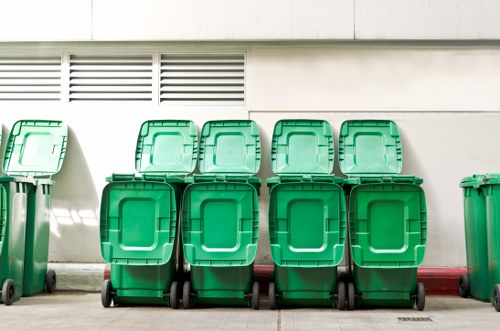
Implementing effective recycling strategies is crucial for managing rubbish during probate house clearance. These strategies ensure that recyclable materials are efficiently sorted, processed, and redirected to appropriate facilities.
1. Sorting and Separation
The first step in recycling is categorizing items based on their recyclability. Sorting helps in identifying materials that can be reused, repaired, or recycled, thereby streamlining the clearance process and minimizing waste.
2. Partnering with Recycling Centers
Collaborating with local recycling centers and waste management services ensures that recyclable materials are handled responsibly. Establishing partnerships can facilitate the smooth transition of items from clearance to recycling facilities.
3. Donating Usable Items
Donating items in good condition to charities or community organizations not only reduces waste but also supports those in need. It promotes social responsibility and provides tangible benefits to the community.
Environmental Benefits of Recycling in Clearance
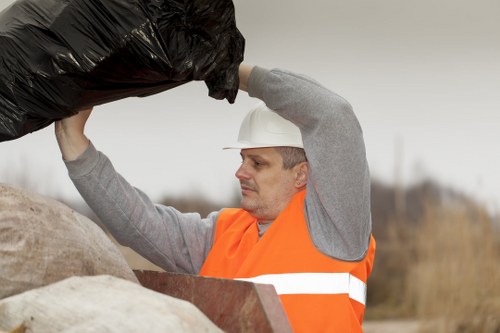
Recycling during probate house clearance offers numerous environmental benefits. By diverting waste from landfills, it helps in conserving natural resources, reducing pollution, and mitigating climate change.
Additionally, recycling lowers the energy consumption required to produce new materials, thereby decreasing the overall carbon footprint. It fosters sustainable living practices and encourages a more mindful approach to consumption and waste management.
Furthermore, proper recycling can prevent hazardous materials from entering the environment, ensuring safer ecosystems and healthier communities. It underscores the commitment to environmental stewardship and responsibility.
Best Practices for Sustainable Probate House Clearance
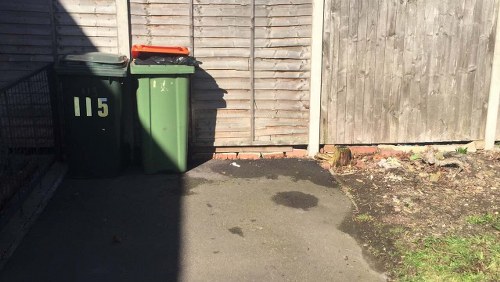
Adopting best practices for sustainable clearance can significantly enhance the effectiveness of recycling and rubbish management. These practices ensure that the clearance process is environmentally friendly and aligns with sustainability goals.
1. Comprehensive Assessment
Conducting a thorough assessment of the property before clearance helps in identifying recyclable materials and planning the recycling process. It ensures that valuable items are preserved and waste is minimized.
2. Educating the Clearance Team
Training the clearance team on recycling protocols and waste management enhances their ability to sort and handle materials appropriately. It promotes a culture of sustainability within the organization.
3. Utilizing Eco-Friendly Disposal Methods
Implementing eco-friendly disposal methods, such as composting organic waste and recycling metals and plastics, ensures that the clearance process has minimal environmental impact.
Challenges in Recycling During Probate Clearance
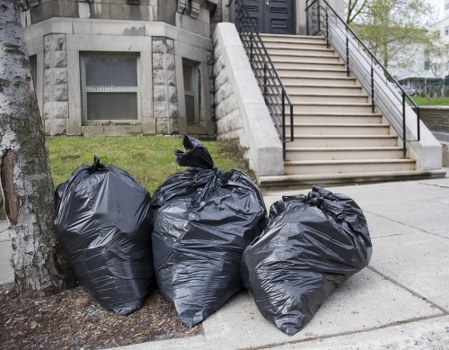
While recycling offers numerous benefits, it also presents certain challenges in probate house clearance. Addressing these challenges is essential for effective waste management.
1. Contamination of Recyclable Materials
Contamination occurs when non-recyclable materials are mixed with recyclables, rendering the entire batch unsuitable for recycling. Preventing contamination requires meticulous sorting and handling of materials.
2. Lack of Awareness and Resources
Limited awareness about recycling practices and insufficient resources can hinder effective waste management. Providing education and investing in recycling infrastructure are crucial to overcoming these barriers.
3. Regulatory Compliance
Navigating the complexities of waste disposal regulations can be challenging. Ensuring compliance with local laws and guidelines is essential to avoid legal issues and promote responsible waste management.
Technological Advancements in Recycling for Clearance
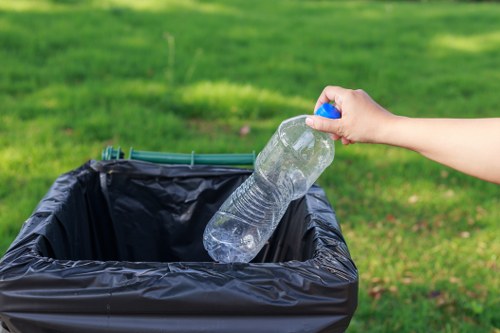
Technological advancements are revolutionizing recycling practices, making probate house clearance more efficient and sustainable. Innovations in recycling technology enhance the ability to sort, process, and repurpose materials effectively.
1. Automated Sorting Systems
Automated sorting systems utilize sensors and robotics to categorize materials accurately and quickly. They reduce the reliance on manual labor and increase the efficiency of the recycling process.
2. Advanced Recycling Processes
Innovative recycling processes, such as chemical recycling and upcycling, allow for the transformation of waste materials into high-quality products. These methods broaden the scope of recyclable materials and enhance their value.
3. Digital Tracking and Management
Digital tracking systems enable the monitoring of recyclable materials throughout the clearance process. They ensure transparency, optimize resource allocation, and improve overall waste management.
Case Studies: Successful Recycling in Probate Clearance
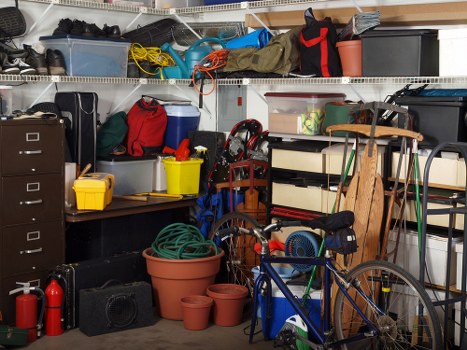
Examining successful case studies provides valuable insights into effective recycling practices in probate house clearance. These examples highlight the benefits and strategies employed to achieve sustainable outcomes.
Case Study 1: Urban London Clearance Service
An urban clearance service in London implemented a comprehensive recycling program that successfully diverted 80% of household waste from landfills. By partnering with local recycling centers and charitable organizations, they maximized the reuse and resale of furniture and electronics.
Case Study 2: Green Estate Cleaners
Green Estate Cleaners adopted advanced sorting technology to streamline their recycling process. Their efforts resulted in significant reductions in waste management costs and enhanced their reputation as an eco-friendly clearance service.
Case Study 3: Sustainable Probate Solutions
Sustainable Probate Solutions integrated educational initiatives for their team, leading to improved recycling practices and increased awareness about sustainable waste management. Their commitment to environmental responsibility has set a benchmark in the industry.
Legal and Ethical Considerations
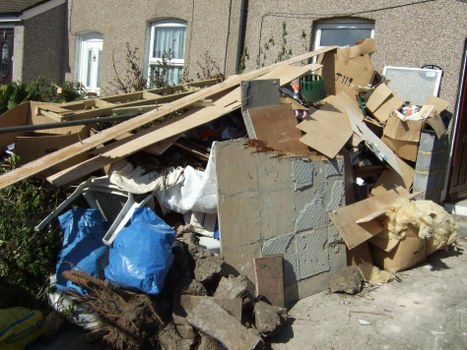
Recycling and rubbish management in probate house clearance involve various legal and ethical considerations. Adhering to these regulations and ethical standards is crucial to ensure responsible clearance practices.
1. Compliance with Waste Disposal Laws
Understanding and complying with local and national waste disposal laws is essential. This includes proper documentation, licensing, and adherence to guidelines for handling specific materials.
2. Respect for Deceased’s Property
Ethically, it's important to respect the wishes of the deceased and their family regarding the disposal and recycling of personal belongings. Transparent communication and consent are key in making decisions about item management.
3. Data Privacy
Electronic devices and documents may contain sensitive information. Proper data destruction methods must be employed to ensure privacy and prevent unauthorized access to personal data.
Cost-Effectiveness of Recycling Practices
[IMG_11]Incorporating recycling into probate house clearance can be cost-effective by reducing disposal fees and generating revenue through the resale or donation of valuable items. This approach not only minimizes expenses but also provides additional financial benefits.
Moreover, sustainable practices can enhance the reputation of clearance services, attracting more clients who prioritize environmental responsibility. It differentiates the service in a competitive market, leading to potential business growth.
Additionally, recycling can lead to long-term savings by decreasing the reliance on landfill space and reducing the need for frequent waste removal services.
Community Impact and Social Responsibility
[IMG_12]Effective recycling in probate house clearance extends beyond environmental benefits to positively impact the community. It fosters social responsibility by supporting charitable causes and promoting communal well-being.
- Supporting Charities: Donated items can benefit charitable organizations, providing essential goods to those in need.
- Creating Jobs: Recycling facilities and clearance services can create employment opportunities within the community.
- Enhancing Community Sustainability: Sustainable waste management practices contribute to the overall ecological health of the community.
By embracing these social responsibilities, clearance services can build stronger community ties and contribute to a more sustainable and equitable society.
Future Trends in Recycling and House Clearance
[IMG_13]The future of recycling in probate house clearance is poised to embrace more advanced technologies and sustainable practices. Emerging trends are set to further enhance the efficiency and impact of recycling efforts.
1. Circular Economy Integration
The concept of a circular economy, where materials are reused and recycled continuously, is gaining traction. Probate house clearance services are integrating circular economy principles to ensure that items have multiple lifecycles.
2. Increased Use of AI and Machine Learning
Artificial Intelligence (AI) and machine learning can optimize the sorting and processing of recyclable materials, improving accuracy and reducing manual labor.
3. Expansion of Recycling Facilities
The expansion and modernization of recycling facilities will accommodate a broader range of materials and increase recycling capacity, supporting more effective waste management.
Conclusion
[IMG_14]Recycling and effective rubbish management are integral components of probate house clearance. By embracing sustainable practices, clearance services can reduce environmental impact, support the community, and achieve cost savings.
Implementing comprehensive recycling strategies, overcoming challenges, and staying abreast of technological advancements ensures that probate house clearance is handled responsibly and efficiently. As the demand for eco-friendly services grows, integrating recycling into clearance operations is not only beneficial but essential for fostering a sustainable future.
If you're considering probate house clearance services that prioritize recycling and sustainability, contact us today to learn more about our eco-friendly solutions and how we can assist you in honoring your loved one's legacy responsibly.