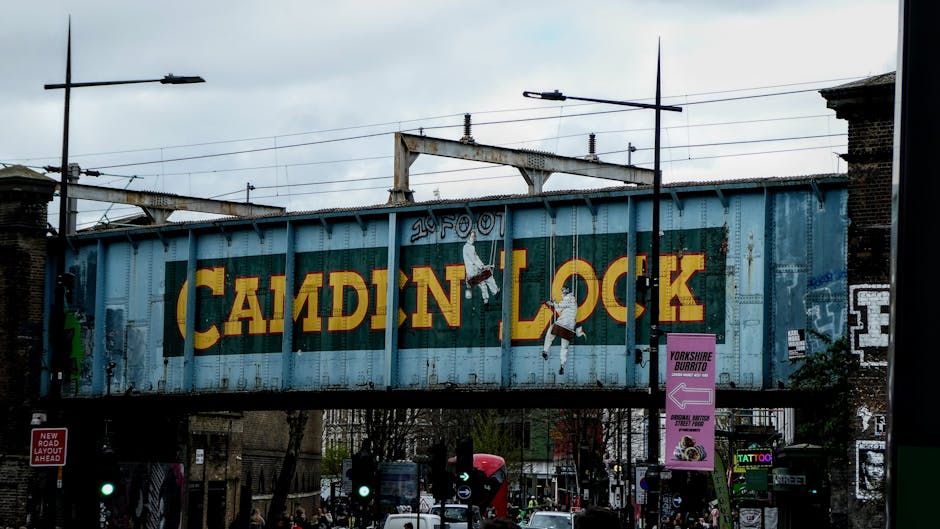
Camden Lock London commercial rubbish clearance for local shops
If you run a shop near Camden Lock, you already know the rhythm of the place. Busy mornings, people drifting in after the market buzz picks up, stock arriving at awkward times, and then the rubbish that seems to appear out of nowhere by closing time. Camden Lock London commercial rubbish clearance for local shops is really about keeping that flow under control without letting waste steal floor space, create smells, or make your frontage look messy. It is not glamorous. But it matters. A lot.
For local retailers, cafes, kiosks, and small independents, rubbish clearance is more than just "taking stuff away". It affects customer perception, staff safety, storage, and how smoothly the business runs day to day. In a tight, high-footfall area like Camden, that can be the difference between a shop that feels sharp and one that looks like it is constantly fighting for space.
This guide breaks down what commercial rubbish clearance involves, how it works in practice, who needs it, and what to watch out for. You will also find a checklist, a comparison table, and a few grounded tips from real-world shopfront situations. Nothing fluffy. Just the useful bits.
Table of Contents
- Why Camden Lock London commercial rubbish clearance for local shops Matters
- How Camden Lock London commercial rubbish clearance for local shops Works
- Key Benefits and Practical Advantages
- Who This Is For and When It Makes Sense
- Step-by-Step Guidance
- Expert Tips for Better Results
- Common Mistakes to Avoid
- Tools, Resources and Recommendations
- Law, Compliance, Standards, or Best Practice
- Options, Methods, or Comparison Table
- Case Study or Real-World Example
- Practical Checklist
- Conclusion
- Frequently Asked Questions
Why Camden Lock London commercial rubbish clearance for local shops Matters
Camden Lock is not a sleepy backstreet location where waste can sit around unnoticed for a day or two. It is a lively commercial area with constant movement, visitors, deliveries, and a lot of visual competition. When your shop waste starts creeping into customer areas, back-of-house corridors, or shared access points, it becomes an operational problem pretty quickly.
For local shops, the main issue is not usually one giant clearance job. It is the accumulation of day-to-day waste: cardboard from deliveries, damaged packaging, old display materials, broken stock, end-of-line items, worn fixtures, and the occasional bulky item that no one planned for. Truth be told, waste has a way of multiplying when the trading day gets hectic.
Clearance matters because:
- it keeps customer-facing areas neat and presentable;
- it reduces trip hazards and blocked walkways;
- it helps staff work faster in storage and stock rooms;
- it prevents waste from building up during peak trading times;
- it supports better recycling and less unnecessary landfill;
- it lowers the chance of pests, odours, and complaints from neighbours or landlords.
There is also a reputational angle. A shop can sell great products and still lose trust if the exterior looks unmanaged. In a place like Camden, where shoppers notice details, waste handling is part of the brand whether you like it or not.
Expert summary: In compact retail areas, commercial rubbish clearance is not just a clean-up task; it is part of shop presentation, workflow, and risk control. If the waste plan is weak, everything else feels harder.
How Camden Lock London commercial rubbish clearance for local shops Works
Commercial rubbish clearance for a local shop usually starts with a quick assessment of what needs removing. That might be a few sacks and cardboard bundles, or it might be a larger back-room clear-out with shelving, broken stock, and old display units. The main aim is to remove items efficiently, sort them properly, and leave the business area usable again.
In practice, the process often looks like this:
- Identify the waste types. Cardboard, mixed waste, recyclable materials, bulky items, and specialist waste may all need handling differently.
- Estimate the volume. This helps decide whether a one-off pickup or a fuller clearance is more appropriate.
- Choose the removal method. Some shops need flexible collection after closing; others need a planned morning slot before customers arrive.
- Load and remove safely. Items are moved from storage, alleyways, or loading areas with care so trading is disrupted as little as possible.
- Sort for disposal and recycling. Reusable or recyclable materials should be separated where possible.
- Leave the space ready for use. The best clearances do not just remove rubbish. They restore order.
For many local traders, the biggest practical win is timing. A clearance that happens just after closing, or first thing before footfall builds, can feel almost invisible to customers. And that is exactly the point.
Some shops also use related services such as commercial waste collection for regular ongoing disposal, or business waste removal when the need is more flexible and not tied to a long-term contract. If the job involves mixed bulk items or old fittings, commercial waste disposal can be the more suitable route.
Key Benefits and Practical Advantages
There are the obvious benefits, of course. A cleaner shop. Less clutter. More floor space. But the real value tends to show up in the day-to-day details.
1. Better use of limited space
Most local shops near Camden Lock do not have generous back-of-house storage. Waste that sits too long eats into the same space used for stock, packaging, and equipment. Clearing it promptly gives your team room to breathe.
2. Faster close-down and opening routines
When waste is under control, staff spend less time tidying, shifting bags, and working around obstacles. That can make end-of-day close-down much smoother. Small thing, but you will notice it.
3. Better customer impression
People may never comment on a tidy rear store room, but they absolutely notice if overflowing bags are visible near the entrance. A neat frontage feels calmer and more trustworthy.
4. Lower nuisance risk
Overflowing waste can attract smells, spills, birds, and sometimes pests. None of that is ideal near food, clothing, or gift retail.
5. More reliable recycling
Well-planned clearance makes it easier to separate cardboard, plastics, metal fixtures, and general waste. That supports a more responsible waste routine and usually means less guesswork for staff.
6. Less stress during refurbishments or stock changes
Seasonal refreshes, shopfit changes, and end-of-line clearance create extra waste quickly. A clear removal plan helps prevent the back room from turning into, well, a small battlefield.
Who This Is For and When It Makes Sense
This kind of service is useful for a wide range of Camden businesses, not just shops with a lot of visible rubbish. In our experience, the call usually comes when someone realises the space has stopped functioning properly.
It makes sense for:
- independent retailers with limited storage;
- convenience shops and kiosks;
- cafes and takeaway businesses dealing with cardboard and packaging;
- boutiques and gift shops replacing displays or clearing old stock;
- market-adjacent businesses with irregular waste peaks;
- shop owners preparing for refurbishments, inspections, or handovers;
- managers who need a one-off clearance after a busy period or delivery buildup.
Sometimes the need is obvious. A broken fridge, a pile of flattened boxes, or old shelving that has been leaning in the corner for three weeks. Other times it is subtler. Staff start shuffling waste from one room to another. The rear stock area gets awkward to work in. Boxes begin forming little towers. That is usually the moment to act.
If your business also deals with interior resets, moving fixtures, or old stockroom furniture, pages like furniture removal and collection or office clearance may be relevant because retail and office spaces often overlap in the way they store equipment and paperwork.
Step-by-Step Guidance
Here is a straightforward way to approach commercial rubbish clearance without making it harder than it needs to be.
- Walk the premises and list everything to remove.
Go room by room. Include stockrooms, entrance areas, shelves, basements, and any outside holding space. - Separate waste into rough categories.
Cardboard, mixed rubbish, furniture, electrical items, and reusable materials should not all be treated the same way. - Identify anything that needs special handling.
Fridges, freezers, fluorescent tubes, batteries, and certain electrical items may need additional care. - Decide on the best timing.
For shops near Camden Lock, quieter times are usually better. Early morning or after-hours collection often reduces disruption. - Check access and loading points.
Can a vehicle stop nearby? Is there a rear entry? Are there time restrictions or tight stairways? Small access details can make a big difference. - Prepare the waste for removal.
Stack safely, tape loose packaging, and keep pathways clear. The cleaner the setup, the quicker the job tends to go. - Confirm what should be recycled.
Cardboard and certain packaging streams may be suitable for recycling if kept separate and uncontaminated. - Review the space after clearance.
Look at what caused the build-up. Was it poor stock rotation, lack of storage, or a delivery pattern that needs adjusting?
A small but useful tip: do not wait until the waste becomes "worth" clearing. That phrase traps businesses all the time. If the pile is affecting workflow now, it is already costing you something.
Expert Tips for Better Results
There are a few habits that consistently make shop waste clearance easier, cleaner, and less disruptive. None of them are dramatic. They just work.
Keep a designated waste staging area. Even a modest corner in the stockroom can help, as long as it does not block access or create fire risk. A defined space stops rubbish from spreading everywhere.
Use the same container types where possible. If your team knows which bags or boxes are for cardboard, mixed waste, or bulky items, sorting becomes a habit instead of a daily argument.
Clear before peak trade, not during it. Sounds obvious, but it is often missed. A 20-minute clearance in the wrong window can cause more disruption than a larger job done quietly after close.
Train staff on "what not to mix". A wet food carton mixed with clean cardboard can ruin a recycling batch. One contaminated bag can spoil an otherwise tidy load. Annoying, yes. But avoidable.
Plan for seasonal surges. Christmas stock, sale changes, and promotional resets create predictable waste spikes. Build those into your schedule rather than reacting late.
Take photos before and after major clearances. Not for vanity. For planning. It helps you see what space is actually being lost and whether the clearance setup is working.
Ask for clarity on what happens to each waste type. Good providers should be able to explain sorting, recycling, and disposal in plain English. If it sounds vague, ask again. Better to ask twice than assume.
And honestly, a tidy clearance day often feels better than expected. You open a door and suddenly there is room again. Light in the back room. Less rustling paper. A little less chaos. That matters.
Common Mistakes to Avoid
Most clearance problems are not complicated. They are just annoying, preventable, and usually caused by rushing.
- Waiting too long. Waste builds gradually, then all at once becomes urgent.
- Mixing waste types. This makes recycling harder and can increase handling complexity.
- Ignoring access issues. A job planned without checking loading, narrow passages, or lift access can turn into a slow one.
- Leaving bulky items near exits. It is a safety issue and can inconvenience staff and customers.
- Assuming all waste is the same. It rarely is, especially where electricals or specialist items are involved.
- Not planning for trading hours. A clearance that clashes with delivery times or customer peaks can create avoidable friction.
- Forgetting recurring waste sources. If the same problem comes back every week, the underlying process probably needs fixing.
One shop can get away with a bit of looseness. Most cannot. In a busy retail pocket, a sloppy waste routine gets amplified fast.
Tools, Resources and Recommendations
You do not need a warehouse full of gear to manage commercial rubbish well. But a few simple tools and habits make a real difference.
- Heavy-duty sacks and liners for mixed waste and clean collection runs;
- Cardboard flatteners or box cutters to reduce bulk before pickup;
- Labelled bins or cages for separating waste streams;
- Storage straps or tape to secure flattened materials;
- Gloves and basic PPE for staff handling waste internally;
- Trolleys or dollies for moving bulky items safely;
- Simple waste log sheet to track what is being thrown away and how often.
For businesses that want a broader waste strategy, it can help to look at related pages such as recycling and sustainability and waste recycling. Those pages support a more joined-up approach, especially if your shop is trying to reduce general waste over time.
If the issue is mainly bulky furniture, displays, or worn stockroom items, services like furniture disposal or bulky waste collection may be more directly relevant. If you are moving a lot of cardboard and bagged waste at once, bulk waste collection is often the better fit.
Law, Compliance, Standards, or Best Practice
For commercial waste, compliance matters. Businesses in London are generally expected to manage waste responsibly and to use appropriate disposal routes. The exact legal duties can vary depending on the waste type, the business setup, and who is handling the material, so it is wise to be careful rather than casual.
A few sensible best-practice points apply across the board:
- Keep waste separated where practical, especially recyclables and special items.
- Use a reputable provider that can explain how waste is handled.
- Make sure staff know what can and cannot go into each waste stream.
- Do not place waste in public areas unless collection is clearly arranged.
- Handle electricals, refrigeration units, and similar items with extra care.
- Keep records if your business needs them for auditing, landlord checks, or internal compliance.
Safety is part of compliance too. Clearance should not create manual handling risks, blocked fire exits, or trip hazards. For that reason, many businesses also review health and safety policy and insurance and safety information before arranging bigger removals.
If you are unsure about a specific item, the cautious approach is usually the best one. Treat it as needing confirmation rather than assuming it is regular rubbish. A five-second assumption can become a much bigger headache later.
Options, Methods, or Comparison Table
Local shops usually choose between a few main waste-handling methods. The right one depends on the amount, how quickly it needs moving, and whether the waste is ongoing or one-off.
| Method | Best for | Strengths | Limitations |
|---|---|---|---|
| Regular commercial waste collection | Ongoing shop waste and packaging | Predictable, easy to maintain, good for routine use | Less suitable for sudden bulky clear-outs |
| One-off commercial rubbish clearance | Back room resets, stock changes, or accumulation | Flexible, can remove mixed items in one go | May not replace an ongoing waste plan |
| Bulky item removal | Furniture, fixtures, large packaging, display units | Good for awkward items and oversized waste | Not ideal for lots of small general rubbish |
| Recycling-led sorting | Cardboard, clean packaging, separable streams | Useful for sustainability and volume reduction | Needs staff discipline and space for sorting |
For many Camden shops, the best answer is not one method but a combination. Routine collection handles the daily flow, while a separate clear-out service deals with the occasional overload. That balance keeps things calmer and usually costs less in stress, which is no small thing.
Case Study or Real-World Example
Picture a small independent shop near Camden Lock that sells homeware and gifts. It is doing well, but the stockroom has slowly filled up with broken packaging, old display props, damaged stock, and a couple of awkward items that never quite got moved out. Nothing dramatic. Just clutter, the sort that appears quietly and then suddenly takes over.
The shop team notices three practical problems:
- staff struggle to reach new stock without moving waste first;
- cardboard is piling up faster than it can be flattened;
- the rear area looks untidy, which makes restocking more stressful.
They schedule a clearance outside the busiest customer period and separate what can be recycled from what needs mixed disposal. The result is not just a cleaner room. It is a more usable room. Boxes move faster. The back corridor clears. Staff stop working around the mess and start working properly again.
Nothing magical happened. No grand overhaul. Just a smart reset at the right time.
That is often how good commercial rubbish clearance works in real life. It does not have to be theatrical. It just has to solve the issue cleanly and let the business breathe again.
Practical Checklist
Use this checklist before arranging Camden Lock London commercial rubbish clearance for local shops:
- List all waste items by area.
- Separate cardboard, mixed rubbish, bulky items, and electricals.
- Check whether anything requires special handling.
- Confirm the best time slot to avoid customers and deliveries.
- Review access routes, loading space, and stairs or lifts.
- Make sure pathways and exits stay clear.
- Tell staff what is being removed and what must stay.
- Prepare any items for recycling where practical.
- Take note of any recurring waste source that needs a process fix.
- Keep any internal records or notes you may need later.
If you can tick most of those boxes, the clearance is likely to run more smoothly. If not, it is worth spending ten extra minutes on planning. That ten minutes can save an hour of faffing about later. Happens all the time.
Get a free quote today and see how much you can save.
Conclusion
Camden Lock London commercial rubbish clearance for local shops is really about keeping a busy retail business functional, presentable, and calm under pressure. In a crowded area, waste does not stay "just in the back". It leaks into the customer experience, the workflow, and the mood of the whole place.
The best approach is simple: separate what can be recycled, remove what is building up before it becomes a problem, and choose a clearance method that fits the way your shop actually operates. Not the ideal version. The real one. That is where the value is.
If your shop has reached the point where boxes, fixtures, and general waste are taking up time and space, a professional clearance can make the place feel usable again almost immediately. And when a shop feels easier to run, everything else tends to follow.
Small space. Big difference. That is Camden in a nutshell.
Frequently Asked Questions
What counts as commercial rubbish clearance for a local shop?
It usually includes the removal of general waste, cardboard, packaging, damaged stock, old displays, broken furniture, and other unwanted items from a business premises. For shops, it is often a mix of regular waste and one-off bulk items.
Is Camden Lock a difficult area for rubbish clearance?
It can be more challenging than a quieter location because of foot traffic, delivery timing, and limited space. That does not make it unworkable, but it does mean planning matters more than usual.
Do local shops need a regular waste collection or a one-off clearance?
Many shops need both. A regular service handles the ongoing waste flow, while a one-off clearance is useful when storage fills up, a refit happens, or bulky items need removing quickly.
What kinds of items are commonly removed from shops?
Typical items include cardboard, bagged waste, broken shelving, old stock, display materials, packaging waste, small fixtures, and sometimes electrical items or bulky furniture.
Can cardboard and mixed rubbish be taken together?
They can be collected together in some cases, but separating clean cardboard usually makes recycling easier and can reduce waste contamination. It is generally better to keep them apart if practical.
How do I know if an item needs special handling?
Fridges, freezers, some electrical equipment, batteries, and certain other items may need extra care. If you are unsure, treat the item cautiously rather than assuming it is standard waste.
Will rubbish clearance disrupt trading?
It does not have to. Good planning usually keeps disruption low by using quieter time windows, checking access in advance, and preparing the waste so the removal itself is quick.
What is the difference between waste removal and waste disposal?
Waste removal is the act of collecting and taking the waste away. Waste disposal is what happens after that, including sorting, recycling, treatment, or final disposal.
How can a shop reduce waste build-up in the first place?
Flatten cardboard promptly, label waste areas clearly, train staff on sorting, review delivery patterns, and clear bulky items before they become permanent clutter. Small habits make a surprising difference.
Are there compliance issues I should think about?
Yes. Businesses should manage waste responsibly, keep pathways safe, and handle special items appropriately. The exact legal duties depend on the waste type and business circumstances, so it is best to follow sensible UK best practice and ask questions where needed.
What if my shop has very limited storage space?
That is exactly when a planned clearance can help most. Limited space means waste needs to be removed more regularly or in smaller, more targeted bursts so it does not overwhelm the shop.
Can a clearance be arranged after closing hours?
Often, yes. Many shops prefer out-of-hours or early-morning timing because it reduces customer disruption and helps the team start the day with a clear space.
Which related service is best for bulky shop items?
If the main problem is large furniture, displays, or oversize fixtures, a bulky item or furniture-focused service is usually more appropriate than a general bagged-waste pickup.
What should I do before booking a clearance?
Make a list of items, check access, separate waste types, and choose a time slot that works around trading. A little preparation saves a lot of back-and-forth later.
For shop owners and managers, the goal is not perfection. It is a tidy, workable space that supports the business instead of slowing it down. That is a good day's work, honestly.