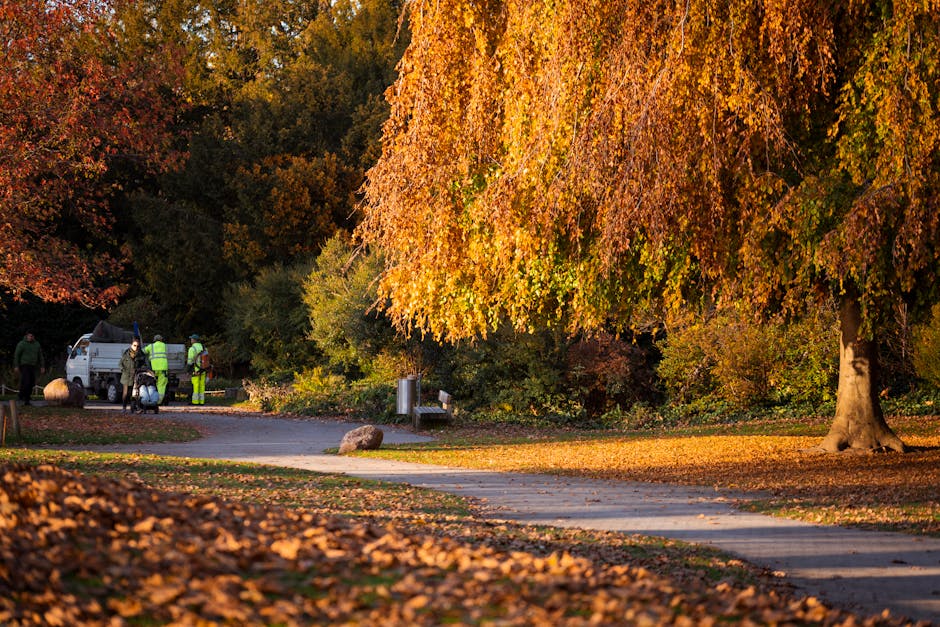
Green waste overflow solutions for London gardens
If you have ever looked out at a London garden after a weekend of pruning, mowing, and hedge cutting and thought, "Right, where on earth is all this meant to go?", you are not alone. Green waste overflow solutions for London gardens are really about one thing: getting control back before piles of cuttings, branches, and soil-smeared bags start taking over your outdoor space. In a city where many gardens are compact, side access can be awkward, and council collection schedules do not always match the pace of your gardening, overflow happens fast.
This guide breaks down the practical ways to handle surplus garden waste without stress. We will cover why it matters, how the process works, when it makes sense to use a collection or clearance service, and the mistakes that tend to cause problems later. If you want a tidy garden, fewer fly-tipping headaches, and a plan that actually fits London life, you are in the right place.
Table of Contents
- Why Green waste overflow solutions for London gardens matters
- How Green waste overflow solutions for London gardens works
- Key benefits and practical advantages
- Who this is for and when it makes sense
- Step-by-step guidance
- Expert tips for better results
- Common mistakes to avoid
- Tools, resources and recommendations
- Law, compliance, standards, or best practice
- Options, methods, or comparison table
- Case study or real-world example
- Practical checklist
- Conclusion
- Frequently asked questions
Why Green waste overflow solutions for London gardens Matters
Overflow is not just an eyesore. In a London garden, it can quickly become a practical problem. Wet grass clippings start to smell. Leaves blow into neighbours' spaces. Branches block paths. Bags get ripped by foxes or damp weather. And once the pile grows beyond what your usual bin or council collection can handle, the whole job starts to feel bigger than the garden itself.
That is especially true in the capital, where many homes have small rear gardens, tight alleyways, shared access, or limited storage for waste sacks and bins. A few bags of hedge trimmings may sound harmless, but after a heavy cutback or a spring tidy-up, you can be dealing with bulky volumes surprisingly quickly. In our experience, the real issue is rarely the green waste itself. It is timing. The garden grows at its own pace, but collection days do not. That mismatch is where overflow begins.
There is also a sustainability angle. Green waste is often best handled separately from mixed rubbish, because clean organic waste can usually be recycled or composted more effectively when it is kept free from contaminants. So, if you are clearing a border, cutting back climbers, or removing seasonal growth, it pays to have a proper plan instead of improvising with whatever bag happens to be at hand.
Expert summary: The best green waste overflow solution is the one that matches your space, volume, and timing. For small regular jobs, composting or council collection may be enough. For larger one-off clearances, a dedicated garden waste pickup or full garden clearance is usually the calmer, cleaner option.
And to be fair, once the overflow stage starts, delay rarely helps. The pile does not politely shrink overnight. It just sits there looking back at you.
How Green waste overflow solutions for London gardens Works
At a basic level, green waste overflow solutions work by moving garden waste from "temporary problem" into a managed stream. That may mean home composting, staged bagging, council collection, a pre-booked waste pickup, or a broader garden clearance service that removes everything in one visit.
The process usually starts with sorting. Green waste is typically things like grass cuttings, hedge trimmings, weeds, small branches, leaves, plants, and other organic garden matter. It is usually best kept separate from rubble, plastics, old pots, broken tools, and general household rubbish. Mixing materials makes disposal less efficient and can limit recycling options. Small mistake, big nuisance.
Once sorted, the waste is handled in one of a few ways:
- Home composting: suitable for manageable volumes of soft green waste and leaves, if you have the space and patience.
- Garden bin or council collection: useful when your local service is active and the volume fits the rules.
- Bagged and stored for pickup: a sensible short-term fix if you are waiting for a collection slot.
- Same-day or scheduled waste removal: ideal for overflow after pruning, landscaping, or a major tidy-up.
In London, access often shapes the solution. A terraced house with a narrow passage, a flat with no side gate, or a garden behind a basement level will affect how easily waste can be moved out. That is why the best plan is rarely the most theoretical one. It is the one that fits the actual layout of your property.
If you are dealing with mixed outdoor clutter as well as clippings, a broader waste clearance or rubbish removal approach can be more practical than trying to split jobs into five separate attempts. Less back and forth. Less mess. Fewer "I'll do it next weekend" moments that somehow become next month.
Key Benefits and Practical Advantages
The obvious benefit is a tidy garden, but that is only the start. Good overflow handling protects the space you already have and makes future maintenance easier. Here are the advantages people notice most often.
1. Faster recovery after heavy pruning or seasonal work
Spring and early summer tend to produce a lot of clippings in a short window. If you wait for the "perfect moment" to sort everything, the pile can become awkward fast. A reliable overflow solution lets you clear after the work, not weeks later.
2. Better use of small London outdoor spaces
Many London gardens are compact, which means waste volume has a bigger visual impact. A few overfilled bags in a tiny yard can make the whole place feel unusable. Removing green waste quickly gives the garden back to you.
3. Lower risk of pests, odours, and damp mess
Wet clippings rot. Leaf piles compact and hold water. In mild weather, that can attract pests or create a slippery patch near a path or step. Not glamorous, but very real.
4. Cleaner separation for recycling and disposal
When green waste is kept distinct from mixed rubbish, it is often easier to route it into a more suitable disposal stream. That matters for both environmental and practical reasons.
5. Less strain on your own time and back
Let's face it, bags of hedge cuttings get heavier than they look. If you are repeatedly dragging materials through a narrow hallway or down external steps, the job becomes more physical than gardening. A proper removal method avoids that slow grind.
For many households, the real win is peace of mind. Once the waste is gone, the garden feels finished again. You can mow, plant, or sit out with a cup of tea without thinking about the mess in the corner.
Who This Is For and When It Makes Sense
This kind of solution is useful for a lot of people, not just keen gardeners. In fact, the most common callers are often the people who do not want to spend the whole weekend fighting with waste bags.
- Homeowners after a seasonal tidy-up: if you have cut back shrubs, hedges, or overgrown borders and the waste is more than your usual bin can handle.
- Landlords and letting agents: useful between tenancies when outdoor spaces need a quick reset.
- Tenants with small gardens: especially when the garden looked manageable at first, then suddenly did not.
- Older homeowners: when lifting and carrying heavy loads is not ideal.
- Busy families: because garden jobs often happen in short bursts, and the waste accumulates between them.
- People preparing for a property sale: kerb appeal matters, and a clutter-free garden photographs better.
It also makes sense after landscaping work, hedge reduction, tree pruning, storm damage, or a long period where the garden simply got away from you. We have all seen that one corner where branches have become a kind of accidental sculpture. Charming, maybe. Practical, not so much.
If your outdoor area is part of a bigger clearance project, it may be worth looking at related services such as house clearance or property clearance when indoor and outdoor waste need managing together.
Step-by-Step Guidance
If you want a straightforward way to deal with overflow, use this simple process. It keeps the job from becoming chaotic, and it works surprisingly well in real life.
- Assess the volume. Walk the garden and estimate whether you are dealing with a few sacks, a trailer-load, or a full clearance. Look at branches, leaves, turf, and any hidden waste near sheds or borders.
- Separate the materials. Keep green waste apart from soil, plastic ties, pots, stones, and general rubbish. Clean separation saves time later.
- Check your storage space. Decide whether the waste can sit safely for a short period without blocking access, attracting pests, or getting waterlogged.
- Choose the best route. Use home composting for light, manageable waste; council or bin services for eligible volumes; or a booked removal service for larger overflow.
- Bag or stack properly. Use suitable sacks or bundles. Do not overfill them to the point where they split at the worst possible moment. That "worst possible moment" is usually while carrying them through the narrowest part of the house.
- Book the collection or arrange the drop-off. If you are using a professional pickup, choose a time that suits access and weather. Rain can turn a clean pile into a heavy, awkward one very quickly.
- Clear the route first. Move pots, bikes, tools, and loose debris so removal is quick and safe.
- Review what caused the overflow. Was it a one-off prune, or do you need a better routine? This is where the long-term fix starts.
A practical note: if you are doing the work over several days, keep fresh clippings and dry material separate where possible. Dry leaves and branches are easier to compress or bundle, while wet grass can compact badly and smell after a day or two. Little detail, but it helps.
Expert Tips for Better Results
The difference between a manageable garden and an overflowing one often comes down to small habits rather than big operations. A few professional-level tips can make the whole thing easier.
Work in layers, not piles
If you are pruning heavily, clear as you go. A growing mound in the middle of the lawn looks like progress for about ten minutes, then it becomes the job. Bag or stack in stages and the final removal is much easier.
Keep a dedicated green waste corner
Even in small gardens, a corner or strip near the access point helps. It prevents waste from spreading across the whole space and makes loading simpler when the collection arrives.
Use the weather to your advantage
Dry days are better for bagging, lifting, and transporting waste. After heavy rain, everything gets heavier. Obvious? Sure. But people still get caught out.
Think about access before you start cutting
If branches will need to pass through a narrow gate, cut them into sensible lengths from the outset. It is much easier than discovering too late that a long branch will not turn the corner.
Protect surfaces
Placing sacks directly on paving, decking, or indoor floors can leave damp marks or soil residue. A tarp or old sheet can save time on cleaning later.
Plan for the end of the job, not just the cutting
Many people focus on getting the hedge trimmed and underestimate the disposal part. If you are running a bigger garden tidy, arrange the removal first so the waste does not sit around and multiply in inconvenience.
If your garden work regularly generates more than your own storage can handle, consider whether a bulk waste collection or waste collection approach would save time overall. Sometimes the best gardening decision is really a logistics decision.
Common Mistakes to Avoid
A lot of overflow problems are self-inflicted, truth be told. Usually not through carelessness, just by trying to wing it. Here are the most common mistakes worth avoiding.
- Mixing green waste with general rubbish. This makes recycling harder and can create avoidable sorting issues.
- Overfilling bags. If you cannot lift the bag safely, it is already too full.
- Leaving clippings in damp heaps. Wet piles compact, smell, and attract unwanted attention from pests.
- Ignoring access routes. A plan that works in a spacious driveway may fail badly in a narrow London terrace.
- Waiting too long to book removal. Overflow gets worse when the waste is allowed to sit through another weekend's work.
- Assuming all garden waste can be treated the same. Some materials are better composted, some need separate handling, and some should not be mixed at all.
- Forgetting council rules. Local arrangements vary, and you should always check what your own borough allows for garden waste presentation and collection.
One small but common mistake is underestimating how fast a pile of cuttings changes when the weather turns. A sunny afternoon makes it look harmless. A damp evening and suddenly it is a soggy, heavier version of itself. Garden waste has a way of becoming more dramatic when no one is looking.
Tools, Resources and Recommendations
You do not need specialist equipment to manage overflow well, but a few practical tools make a noticeable difference.
| Tool or resource | Best use | Why it helps |
|---|---|---|
| Heavy-duty garden bags | Bagging clippings, leaves, and light branches | More durable than thin bin liners and less likely to split |
| Tarpaulin or ground sheet | Gathering piles before moving them | Speeds up collection and protects paths or lawns |
| Pruning shears and loppers | Cutting branches into easier-to-handle lengths | Makes transport and stacking simpler |
| Rake and leaf broom | Collecting loose foliage | Useful for clearing borders, patios, and lawns |
| Compost bin | Longer-term organic waste recycling | Can reduce the amount you need to remove if used consistently |
| Booked collection service | Large or urgent overflow | Removes the physical burden and saves multiple trips |
For bigger jobs, a service linked to rubbish clearance can be useful if your garden waste is part of a broader tidy-up. And if the materials are being separated for reuse and recovery, the information on recycling and sustainability may help you think through what should be kept clean and segregated.
One practical recommendation: keep a couple of spare sacks or containers on hand before peak gardening season. You know how it goes. You start with a tidy little pile, then the rose hedge drops more than you expected, and suddenly there is a second pile. Then a third. Gardening is generous like that.
Law, Compliance, Standards, or Best Practice
Garden waste disposal in London is not usually complicated, but there are a few sensible compliance points to keep in mind. Councils may have different rules on what can go in garden waste bins, how it should be presented, and whether certain items are excluded. It is always worth checking local requirements before setting bags out for collection.
If you use a private clearance provider, the key expectations are usually about safe handling, responsible disposal, and proper segregation of waste where possible. Good practice means the waste should not be fly-tipped, mixed carelessly with unrelated rubbish, or left where it creates a hazard. That sounds obvious, but unfortunately common sense is not always common in the waste world.
For householders, a few practical best practices help keep things above board:
- Use approved collection routes. Choose council, composting, or reputable clearance methods rather than informal disposal.
- Keep documentation where needed. If a company removes waste from your property, sensible businesses should be able to explain how it is handled.
- Do not burn waste without checking local restrictions. Smoke, nuisance, and safety issues can quickly become someone else's problem.
- Separate hazardous items. Soil with contamination, treated timber, old chemicals, or mixed building debris should not be treated as ordinary green waste.
If the job includes broken garden furniture, old sheds, or mixed outdoor junk, services such as garage clearance or builders waste clearance may be more relevant than a straight green waste-only approach. The right route depends on the actual material, not the label on the bag.
Options, Methods, or Comparison Table
Not every overflow problem needs the same fix. The best method depends on how much waste you have, how quickly it needs to go, and how much handling you want to do yourself.
| Method | Best for | Pros | Limits |
|---|---|---|---|
| Home composting | Small, regular green waste | Low cost, environmentally friendly, useful for ongoing garden care | Needs space, time, and the right waste mix |
| Council garden waste collection | Routine household garden waste | Convenient if available and suitable for your area | May have rules, limits, and collection timing constraints |
| Self-haul to a waste facility | People with transport and time | Can work well for larger loads | Requires lifting, loading, travel, and effort |
| Booked green waste pickup | Overflow after pruning or seasonal clearance | Fast, convenient, less physical strain | Cost may be higher than DIY options |
| Full garden clearance | Overgrown, mixed, or neglected gardens | Most comprehensive solution, especially for big jobs | May be more than you need for light waste |
If you are deciding between a simple pickup and a broader clearance, ask yourself a practical question: is the problem just the clippings, or is the whole space in need of resetting? That answer usually points you to the right option.
Case Study or Real-World Example
Consider a typical rear garden in south London after a late-summer trim. The hedge has been cut back, the lawn has been scarified, and a few stubborn plants have been removed from a border near the fence. At first glance, it looks like a couple of bags. Then the loose material gets raked up, the branches are shortened, and the leaf pile behind the shed turns out to be bigger than expected. Classic.
The homeowner has a narrow side passage and no wish to drag heavy bags through the kitchen. Instead of waiting for several small collections, they sort the waste into three groups: soft green waste, woody cuttings, and mixed debris. The soft material goes into bags, the woody pieces are bundled, and the mixed debris is set aside for separate handling. A booked clearance slot then removes the whole lot in one go.
The result is simple but meaningful. The garden becomes usable again the same day. The patio is clear. No bags sit outside getting soggy. And the homeowner does not spend the next week stepping around an awkward pile every time they go out for watering or weeding.
That kind of outcome is common when the overflow is treated as a logistics job rather than just a gardening job. Once you think that way, the whole process gets easier.
Practical Checklist
Use this checklist before you tackle overflow in a London garden. It keeps the job grounded and stops little things turning into annoyances.
- Identify what type of waste you have: grass, leaves, branches, weeds, mixed debris.
- Separate green waste from plastics, pots, stones, and household rubbish.
- Check whether your council offers a suitable garden waste collection option.
- Confirm access routes for carrying bags or loading waste.
- Choose bags or containers strong enough for the actual weight.
- Keep wet material apart where possible.
- Decide if you need a one-off clearance or an ongoing solution.
- Make sure paths and steps are clear before moving waste.
- Store waste safely if collection is not immediate.
- Review what created the overflow so next time is easier.
If you tick those off, you are already ahead of most rushed garden clear-ups. Really, that is half the battle.
Conclusion
Green waste overflow solutions for London gardens are about more than removing a pile of clippings. They are about keeping control of a space that can be surprisingly hard to manage when access is tight, schedules are awkward, and the garden grows faster than you planned. The best solution depends on volume, timing, access, and whether the waste is truly just green waste or part of a wider clearance.
For small ongoing jobs, composting or routine collection can work well. For bigger seasonal overflows, a dedicated pickup or full garden clearance is often the quickest, least stressful route. The key is to act early, sort properly, and choose a method that suits London living rather than fighting against it.
Get a free quote today and see how much you can save.
And if all you wanted was a garden that feels calm again, fair enough. That is a perfectly good goal.
Frequently Asked Questions
What counts as green waste in a London garden?
Green waste usually includes grass cuttings, hedge trimmings, leaves, weeds, small branches, and other plant material from routine garden work. It should be kept separate from plastics, rubble, and general rubbish where possible.
What should I do if my garden waste is too much for the council bin?
If the waste exceeds your normal bin or collection allowance, the usual next steps are home composting, waiting for a suitable council collection if available, or booking a dedicated garden waste pickup or clearance service.
Can I mix soil with green waste?
Light soil from plant removal may be handled differently depending on the service, but it is usually better to keep soil separate until you know what is accepted. Mixed soil and green waste can be heavier and less straightforward to recycle.
Is it better to compost green waste or have it collected?
Composting is great for manageable volumes and if you have space and patience. Collection is better when the volume is too large, you need the waste gone quickly, or the garden layout makes DIY handling awkward.
How do I stop green waste from smelling?
Do not leave wet grass or leaf piles sitting for too long. Bag them promptly, keep them somewhere dry and ventilated if possible, and separate wet material from drier branches and twigs. Smell tends to build when waste is left in damp heaps.
What is the safest way to carry heavy garden waste?
Use smaller bags rather than overfilling large ones, keep the load close to your body, and clear the route first. If the bags are awkward or the access is tight, it may be safer to book a collection instead of carrying them yourself.
Do I need a special service for overgrown gardens?
If the garden is heavily overgrown, or if there is green waste plus mixed outdoor clutter, a full garden clearance is often more appropriate than a simple bin collection. It usually saves time and avoids multiple disposal methods.
Can green waste be collected if I live in a flat with no garden access?
Yes, but access is the deciding factor. Many flats and basement properties still need waste moved through shared or narrow routes, so a service that can handle awkward access is often the most practical option.
What should I check before booking a green waste removal service?
Check what type of waste is accepted, how access is handled, whether the waste needs sorting in advance, and what the collection window looks like. Good preparation keeps the job quick and avoids delays on the day.
Are garden waste collections always the cheapest option?
Not always. Routine council or composting options can be economical, but for larger overflow jobs, the time, effort, and multiple trips involved in DIY disposal may make a paid collection better value overall.
How often should I clear garden waste in London?
That depends on how fast your garden grows and how much space you have. Many people do better with smaller, regular clear-outs rather than waiting for one huge pile to appear. Little and often usually wins.
What if my garden waste includes broken fence panels or old furniture?
That is no longer simple green waste. Mixed materials like timber, furniture, and debris usually need a broader waste or garden clearance approach so everything can be handled correctly and separately where needed.
Can green waste overflow affect neighbours?
Yes. Bags left too long can look untidy, take up shared space, or smell in warm weather. Keeping overflow under control is not just about your own garden; it helps keep the whole property line calmer and cleaner.