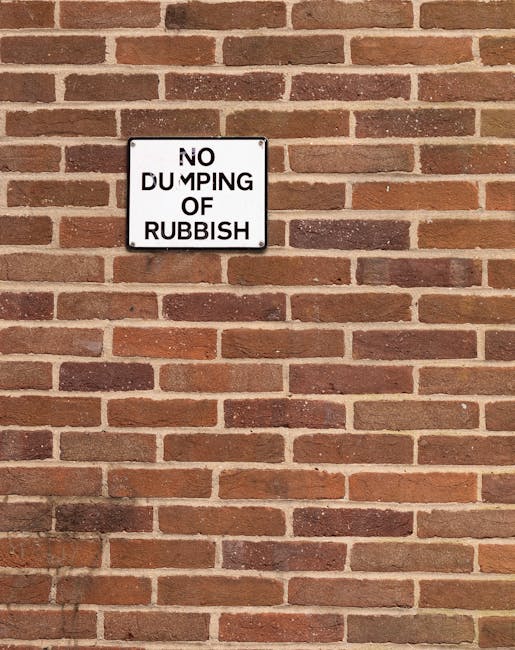
Peckham Rye Estate Rubbish Removal: Local Services & Tips
If you live on or near a Peckham Rye estate, rubbish can pile up in a way that feels strangely fast. One bulky sofa appears, a couple of bin bags multiply in the hallway, and suddenly the estate entrance looks untidy for everyone. That is where Peckham Rye estate rubbish removal: local services & tips becomes useful. Done well, it keeps shared spaces safer, helps prevent fly-tipping, and saves you the headache of trying to move awkward waste through narrow stairwells or busy courtyards.
This guide breaks down how local rubbish removal works, what to expect from a good service, how to compare options, and the practical things that make the job smoother on an estate. You'll also find a checklist, a comparison table, and a realistic example from everyday estate life. Nothing overblown. Just the stuff that helps.
Table of Contents
- Why Peckham Rye estate rubbish removal matters
- How local rubbish removal works
- Key benefits and practical advantages
- Who this is for and when it makes sense
- Step-by-step guidance
- Expert tips for better results
- Common mistakes to avoid
- Tools, resources and recommendations
- Law, compliance, standards and best practice
- Options, methods and comparison table
- Case study or real-world example
- Practical checklist
- Conclusion
- Frequently asked questions
Why Peckham Rye estate rubbish removal matters
Estate rubbish removal is a little different from a one-off house clear-out. On a Peckham Rye estate, you are often dealing with shared walkways, communal bin stores, limited parking, and neighbours who quite reasonably want the place kept tidy. A single abandoned mattress or a stack of old flat-pack boards can block access and create a poor impression very quickly.
There's also the practical side. Shared areas tend to be used by children, older residents, delivery drivers, and maintenance teams. Loose waste can become a trip hazard, attract pests, or make it harder for estate staff to do their job. To be fair, most people are not trying to be careless; they just need a clear system that works in a real-world London estate environment.
For residents, landlords, housing managers, and local businesses, prompt clearance is often about more than appearances. It protects the building's routine, helps avoid complaints, and reduces the chance that waste sits around long enough to become a bigger problem. If you're dealing with a probate property nearby too, it may help to look at broader support such as London property clearance services or area-specific help like probate house clearance in Peckham.
Expert summary: On estates, rubbish removal works best when it is planned around access, neighbours, and sorting. The fastest job is not always the best job; the cleanest result usually comes from good preparation.
How Peckham Rye estate rubbish removal works
A good rubbish removal service usually starts with a quick assessment of what needs to go. On an estate, that assessment matters more than people expect. A sofa down two flights of stairs is not the same as a few bags from a ground-floor flat. A decent provider will want to know the type of waste, how much there is, whether there are stairs or lifts, and whether access is awkward.
Most services then give you a quote, confirm a time window, and arrive with the right vehicle and crew size. The team should load the waste, separate items if needed, and take it away for lawful disposal, reuse, or recycling where possible. If you want more detail on how pricing tends to be handled, the site's pricing and quotes page is a useful place to start.
In practice, estate rubbish removal often includes:
- bulky item collection such as beds, wardrobes, sofas, and tables
- general household clutter from decluttering or moving out
- bagged waste from clear-ups after repairs or refurbishment
- mixed items from storage rooms, garages, or bin stores
- careful separation of recyclable materials where possible
The best operators will also take safety seriously. That means protecting walls and floors where needed, avoiding blocked fire exits, and not dragging sharp or heavy waste across communal areas. A strong example of good practice can be found in the company's health and safety policy and insurance and safety information.
One thing people sometimes overlook: timing. Early morning collections may be less disruptive, but they can also be harder to coordinate if there are residents working from home or school runs outside. Late afternoon can be easier for access, though the estate may be busier. There is no perfect slot, only the one that causes the least friction.
Key benefits and practical advantages
The main benefit is obvious: you get rid of the mess. But there are a few other advantages that are easy to miss until you need them.
- Less stress: You do not have to organise vans, lifting, or multiple trips to the tip.
- Better communal standards: Estates look cared for, which helps everyone.
- Faster turnaround: A crew can often clear in a single visit what might take you all weekend.
- Safer handling: Heavy items and broken furniture are moved by people used to the job.
- More responsible disposal: Reuse and recycling can be built into the process.
There is also a financial angle. A tidy, well-run estate can avoid repeat callouts, avoid damage caused by improper dumping, and reduce the hidden cost of everyone "just leaving it for later." That sounds small, but small things stack up. They really do.
If sustainability matters to you, you may want to review the company's recycling and sustainability approach. That is especially helpful if you want a service that tries to divert usable or recyclable material away from landfill where practical.
And for many people, peace of mind is a benefit in itself. You know the bins won't overflow again in two days. You know the corridor is clear. You can breathe a bit easier.
Who this is for and when it makes sense
This kind of service is not just for big clearances. It suits a lot of everyday situations around Peckham Rye estates:
- Residents moving out: especially when there are bulky leftovers or last-minute items
- Landlords and letting agents: when a flat needs a quick reset between tenancies
- Housing managers or caretakers: if communal waste has grown beyond normal bin collection
- Families downsizing: when furniture and clutter need sorting quickly and respectfully
- Homeowners doing refurb work: for old fixtures, packaging, and construction debris
- Probate or estate executors: where contents must be cleared carefully and on a timeline
It also makes sense when the waste is mixed and awkward. A combination of bagged rubbish, a broken desk, and a heavy wardrobe can be a real nuisance if you try to deal with it all separately. If the job is straightforward, a council option may be enough; if it is bulky, time-sensitive, or access is tight, a private clearance team is often the smoother route.
Sometimes the trigger is simply the vibe of the place. You walk into the block and think, "Right, this needs sorting now." Fair enough. That instinct is usually correct.
Step-by-step guidance
If you want the job to go smoothly, a simple process helps. No drama, no last-minute scrambles.
- List what needs removing. Split items into categories: bulky furniture, bagged waste, recycling, and anything that may need special handling.
- Check access. Think about stairs, lifts, parking, loading zones, and whether the item can fit through the doorway. Measure if you're unsure.
- Take photos. A few clear pictures help the provider quote accurately. It also prevents misunderstandings on the day.
- Ask about sorting. If you want recycling or reuse prioritised, say so early.
- Confirm timing and estate rules. Some blocks are particular about vehicle access, noise, or where waste can be staged.
- Prepare the items. Remove loose contents, unplug appliances, and keep walkways clear.
- On the day, do a final walk-through. Check cupboards, balconies, and storage areas before the team leaves.
A small but useful tip: if you are clearing a shared area, let neighbours know when the work is happening. A quick note in the lift or on the estate noticeboard can prevent awkward complaints later. It sounds obvious, but it saves trouble.
For people who are arranging clearance around a wider move or probate process, the homepage at Probate House Clearance can help you navigate related services without jumping around the site too much.
Expert tips for better results
Here's the part that makes a genuine difference. A lot of clearance jobs go fine, but the ones that feel effortless usually had a bit of thought behind them.
1. Separate recyclable and non-recyclable items before the crew arrives
Even if the team can sort on site, having materials grouped makes the process quicker. Cardboard, metal, textiles, and reusable furniture are easier to assess when they are not buried under random clutter.
2. Keep a "maybe" pile away from the main load
On estates, people often change their minds mid-job. That old lamp suddenly has sentimental value. The box of books might be going to charity. Put doubtful items in a separate corner so nothing gets taken by mistake. Happens all the time.
3. Be realistic about what is heavy or awkward
That flat-pack wardrobe may look manageable until you tilt it in a stairwell. If an item is likely to damage walls or require two people to manoeuvre carefully, mention it before the appointment.
4. Use a provider that explains disposal clearly
Good operators should be able to tell you, in plain English, what happens to the waste. If they are vague, that's a warning sign. Transparency matters, especially if you care about lawful disposal and sustainability.
5. Plan around estate rhythms
Think about school pick-up time, bin days, cleaners, and parking pressure. A collection at the wrong time can turn into a bottleneck. A good slot makes everyone's life easier.
And yes, sometimes the easiest win is just removing the obstacle before it becomes everyone's problem. Simple as that.
Common mistakes to avoid
Most clearance problems come from a small number of avoidable mistakes. Nothing exotic.
- Leaving everything until the last minute: this often leads to rushed decisions and poor access planning.
- Not mentioning bulky or awkward items: the quote may change, or the crew may arrive unprepared.
- Mixing waste with valuables: keep documents, keys, electronics, and sentimental items separate.
- Assuming the cheapest option is best: if disposal, labour, and insurance are unclear, cheap can become expensive.
- Blocking communal routes: even temporary obstructions can cause friction on an estate.
- Ignoring special waste: paints, chemicals, fridges, and certain electrical items may need different handling.
Another common one: people guess the volume instead of checking. A van may look huge until you realise a dismantled wardrobe and two mattresses have eaten most of it. Photos help, and so does honesty. No shame in saying, "Actually, it's more than I first thought."
Tools, resources and recommendations
You do not need a complicated toolkit for most estate clearances, but a few basics make life easier:
- Measuring tape: useful for checking stair widths, lift access, and door frames
- Heavy-duty bags or boxes: better for loose items and safer carrying
- Marker pen and labels: ideal if you are sorting keep, donate, and remove piles
- Phone camera: photos are often enough for a remote quote
- Gloves and closed shoes: sensible if you are doing any pre-sorting yourself
For support pages that explain how the company works behind the scenes, these are worth a look if you want extra reassurance: payment and security, insurance and safety, and the health and safety policy. If you want to know how to raise concerns, the complaints procedure is also there, which is reassuring in its own practical way.
For local context, it can help to compare Peckham with nearby service pages if you are coordinating several addresses at once. For example, estates or move-outs near Dulwich, Camberwell, Stockwell, or Walworth may have similar access issues and waste-handling needs.
Law, compliance, standards and best practice
Rubbish removal in London is not just a matter of throwing things in a van and hoping for the best. Good practice means disposing of waste responsibly and using a service that understands its duties. You do not need to know every detail, but you should expect lawful disposal, sensible handling, and clear communication.
For estates, that usually means a few practical standards:
- Waste should not be fly-tipped or left in communal areas.
- Special items should be handled appropriately. Fridges, electricals, and hazardous materials can require different processes.
- Teams should work safely around residents and shared access routes.
- Paperwork or receipts should be available if you need them.
If you are arranging clearance for a property that may involve sensitive materials, safety concerns, or occupied communal spaces, ask upfront how the provider manages risk. Reputable companies should be comfortable answering those questions. You should not have to chase them three times either, which is a small but telling sign.
Where sustainability is a priority, it is sensible to ask what proportion of items are reused, recycled, or diverted away from disposal where possible. The exact route depends on the material and condition, so careful wording matters. Not everything can be saved, but some things can. That distinction is important.
Options, methods and comparison table
There is more than one way to clear rubbish from an estate flat or communal area. The right choice depends on speed, volume, budget, and access.
| Option | Best for | Pros | Trade-offs |
|---|---|---|---|
| Council collection | Smaller, non-urgent bulky items | Simple for routine requests; useful where eligible | May be slower; less flexible for mixed waste |
| Private rubbish removal | Fast clearances, bulky items, awkward access | Flexible timing; team does the lifting; useful for estates | Usually costs more than doing it yourself |
| DIY van hire | People with time and lifting help | Can be cheaper if the load is simple | Parking, loading, disposal rules, and heavy lifting fall on you |
| Skip hire | Longer projects with lots of similar waste | Handy for refurb work or phased clear-outs | Needs space; permits may be needed; waste can be exposed |
For Peckham Rye estates, private rubbish removal is often the most practical choice when access is tight or the job needs to happen quickly. DIY can work, but honestly, the moment stairs and parking become part of the equation, the simplicity starts to disappear.
Case study or real-world example
Picture a ground-floor flat on a Peckham Rye estate after a long tenancy. The tenants have moved out, but there's a broken wardrobe, three bin bags, a worn-out office chair, and a stack of packaging from recent repairs. The communal hallway is narrow, so everything needs to move carefully. The caretaker wants the corridor clear before the evening.
The most efficient approach in that situation is usually simple: send photos first, confirm access, separate anything reusable, and book a team that can arrive within the available window. A good crew would protect the route, load the bulky items first, and leave the space clean rather than just "empty." The difference matters. Residents notice when a job has been done properly, even if they never say it out loud.
In a nearby mixed-use building, the needs might be different. Suppose a storage room has old shelving, cardboard, and a couple of damaged units left over from maintenance. There may be less volume, but more coordination is needed because of foot traffic and shared access. Same general idea, different rhythm. That's the reality of estate work: context changes everything.
If the job forms part of a probate or inherited-property project, you may also want to explore specialised pages such as Dulwich or Peckham for a more local view of the service area.
Practical checklist
Use this before booking or before the team arrives.
- List every item that needs removing
- Take clear photos of the waste and the access route
- Measure doorways, stairs, or lift dimensions if needed
- Check whether parking or estate permits are required
- Separate valuables, paperwork, and keep items
- Bag loose waste where practical
- Tell neighbours or the caretaker if access may be affected
- Ask how recycling and reuse are handled
- Confirm insurance, safety, and payment details
- Walk through the area after collection to make sure nothing was missed
Quick tip: if you can make the crew's first 10 minutes easy, the whole job usually becomes smoother. It's a small thing, but it matters.
Get a free quote today and see how much you can save.
Conclusion
Peckham Rye estate rubbish removal is really about making shared spaces work better for everyone. The best service is not just quick; it is organised, careful, and respectful of the building around it. Whether you are clearing after a move, tidying a bin store, or handling a more complex flat clearance, the same principles apply: plan access, sort the waste, ask the right questions, and choose a provider that treats the job as more than a one-off lift-and-load.
When you get those basics right, the process feels less like a chore and more like a reset. The estate looks calmer, the corridor feels easier to walk through, and one more thing is properly dealt with. That's a good feeling, truth be told.
Frequently Asked Questions
What does Peckham Rye estate rubbish removal usually include?
It normally includes collection and disposal of bulky household items, bagged rubbish, clutter, and mixed waste from flats, storage areas, or communal spaces. Some services also handle recycling and reuse where possible.
How quickly can a local rubbish removal team collect from a Peckham Rye estate?
That depends on availability, access, and the size of the job. Smaller clearances may be arranged quickly, while larger or more awkward jobs can need a bit more coordination. Photos and a clear description help speed things up.
Is private rubbish removal better than a council collection for estate clear-ups?
Not always, but it is often more flexible. If you need a fast turnaround, have bulky furniture, or the estate access is tricky, private removal is usually easier. Council services may suit smaller or routine items.
How do I get an accurate quote for estate rubbish removal?
Send photos, list the items, and explain access details such as stairs, lifts, parking, and whether the waste is on a high floor. Clear information reduces surprises and helps the provider quote properly.
Can rubbish removal teams work in narrow stairwells and communal halls?
Yes, if they have the right experience and know the access in advance. That said, you should always mention tight spaces and shared routes before booking so the team can plan safely.
What should I do with items I might want to keep?
Move them away from the clearance area before the team arrives. If anything is uncertain, place it in a separate "keep" pile or tell the crew clearly what must not be removed. Better safe than sorry.
Does estate rubbish removal include recycling?
Often it does, but the exact level depends on the provider and the type of waste. Many services sort materials for reuse or recycling where practical. If that matters to you, ask in advance and check the company's sustainability approach.
What if the waste includes electrical items or appliances?
Electrical items usually need appropriate handling, and some appliances may need special processing. Let the provider know exactly what you have so they can deal with it correctly.
Are there any safety concerns with rubbish removal on estates?
Yes. Shared walkways, lifts, fire exits, and parked vehicles all need care. A reliable team should work safely and avoid blocking access or causing damage. Insurance and safety information is worth checking before you book.
What are the biggest mistakes people make when clearing estate rubbish?
The most common mistakes are leaving everything until the last minute, forgetting about access restrictions, mixing valuables with waste, and not checking whether the provider can handle heavy or awkward items.
Can rubbish removal help with probate or inherited property clearances near Peckham Rye?
Yes. If the property forms part of a probate process, a structured clearance service can help remove contents carefully and respectfully. It can be useful to look at related local pages such as probate house clearance in Peckham for a more specific route.
What should I look for in a trustworthy local provider?
Look for clear pricing, transparent disposal practices, insurance, safety information, and straightforward communication. A good provider should make it easy to understand what will happen, where the waste goes, and how the job will be carried out.